
Kerry

Kerry

Kerry is a creative writer and editor with a passion for researching and writing on a variety of industry topics, from health, tech, and travel to sports. She currently serves as an editor at pulsepinch.com, a news and media site dedicated to providing reliable and engaging content.

LATEST POSTS BY Kerry

Legionnaires Disease

Legionnaires’ Disease Symptoms, Diagnosis, Signs and Treatment

Legionnaires’ disease is a serious type of pneumonia caused by Legionella bacteria, commonly found in freshwater environments like lakes and streams. However, the infection usually occurs when the bacteria grow and spread in human-made water systems such as cooling towers, hot tubs, plumbing systems, and decorative fountains.

Lyme Disease Causes

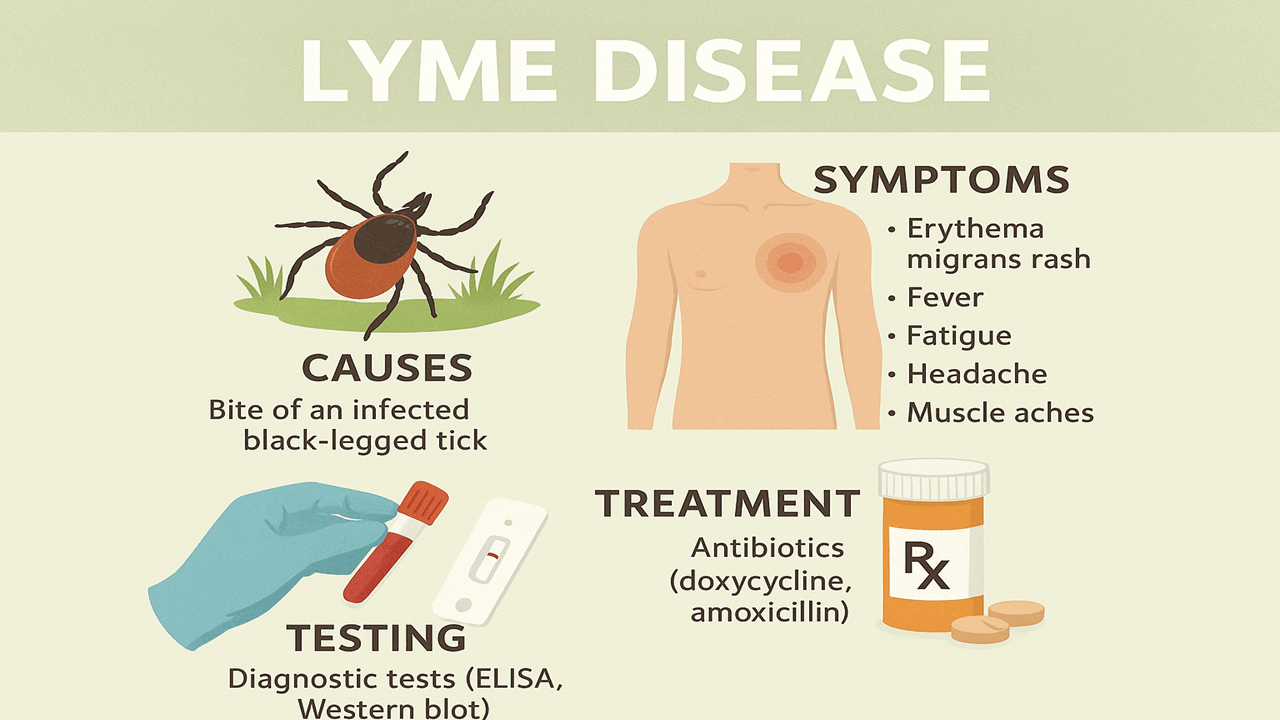
Lyme Disease: Causes, Symptoms, Testing, and Treatment

Lyme disease is one of the most common tick-borne illnesses worldwide, yet it often goes undiagnosed or misdiagnosed due to its wide range of symptoms. If left untreated, it can lead to serious health complications affecting the nervous system, heart, and joints.

CANTAB test

What is CANTAB: CANTAB Test, Assessment, Why and How

When it comes to understanding the human brain and its functions, advanced neuropsychological tools are essential. One such widely used and research-backed tool is CANTAB (Cambridge Neuropsychological Test Automated Battery). This computer-based assessment system…

US Open Tennis 2025

US Open Tennis 2025: Schedule, Tickets, Matches, Winners and More

The 145th edition of the US Open Tennis Championships is underway! Held from August 24 to September 7, 2025, at the USTA Billie Jean King National Tennis Center in Flushing Meadows, New York, this year’s tournament features top seeds Jannik Sinner and Aryna Sabalenka defending their titles.

Red Ear Syndrome

Red Ear Syndrome: Causes, Symptoms, Risk and Treatment

Red Ear Syndrome (RES) is a rare neurological condition that causes one or both ears to suddenly turn red, often accompanied by burning, stinging, or itching sensations. The episodes can last anywhere from a few seconds to several hours and may occur multiple times a day.