
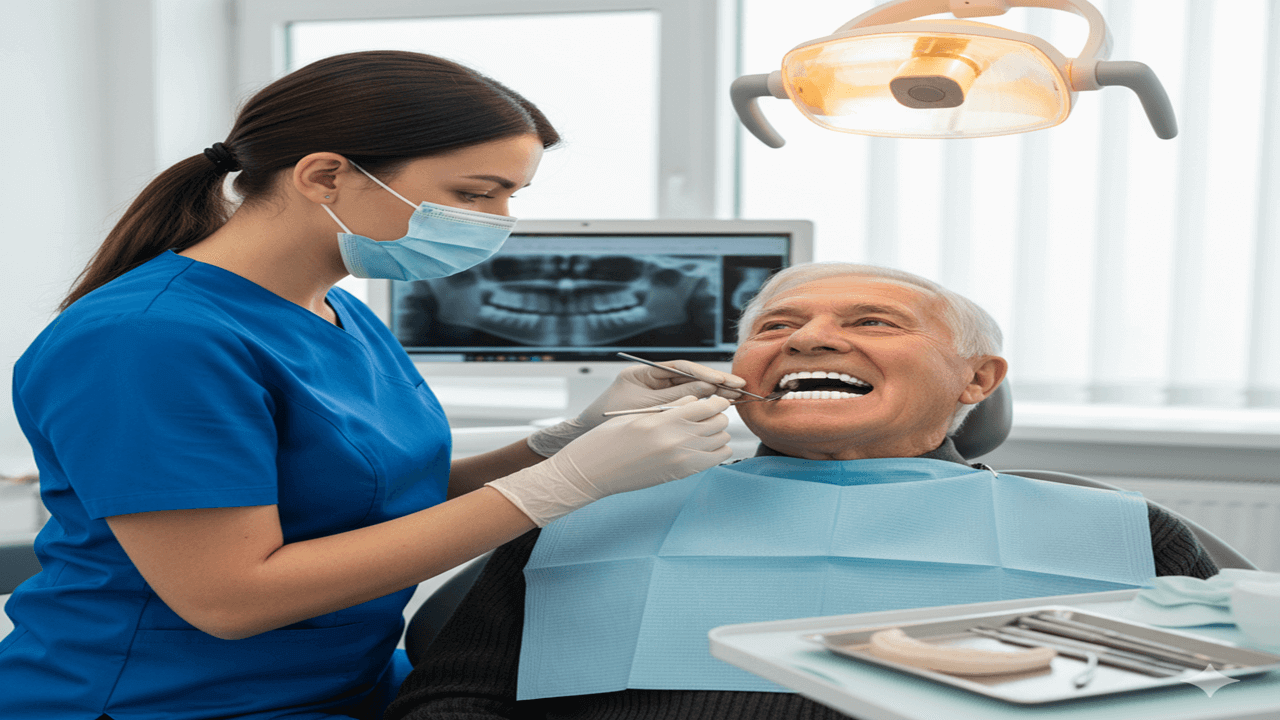
Good oral health is about much more than having a bright smile. Healthy teeth and gums play an important role in overall wellness, confidence, comfort, and even heart health. No matter your age, building strong oral care habits can help prevent cavities, gum disease, bad breath, and costly dental treatments down the road.
The truth is, oral health needs change throughout life. A toddler learning to brush, a busy adult balancing work and family, and a senior dealing with aging teeth all face different challenges. Understanding these changes can help every member of the family maintain healthier teeth and gums for years to come.
In this guide, we’ll share practical oral health tips for children, adults, and seniors so you can protect your smile at every stage of life.
Why Oral Health Matters
Many people think oral health only affects the mouth, but it can impact the entire body. Poor oral hygiene has been linked to several health conditions, including:
- Heart disease
- Diabetes complications
- Respiratory infections
- Gum disease
- Tooth loss
- Digestive issues
Healthy teeth also support proper chewing, speech development, and self-confidence. By taking care of your mouth daily, you’re investing in your long-term health and quality of life.
Oral Health Tips for Children
Children develop oral care habits early, and those habits often last a lifetime. Parents play a major role in teaching kids how to care for their teeth properly.
1. Start Dental Care Early
Oral care should begin even before a baby’s first tooth appears. Gently wipe your baby’s gums with a soft, damp cloth after feedings to remove bacteria.
Once the first tooth erupts, start brushing with a soft-bristled toothbrush and a tiny amount of fluoride toothpaste.
2. Teach Proper Brushing Habits
Kids should brush twice a day for two full minutes. Make brushing fun by:
- Using colorful toothbrushes
- Playing a two-minute song
- Letting kids choose their toothpaste flavor
- Using reward charts
Parents should supervise brushing until children can properly brush on their own, usually around age 7 or 8.
3. Limit Sugary Snacks and Drinks
Candy, juice, soda, and sticky snacks can increase the risk of cavities. Encourage healthier choices like:
- Cheese
- Yogurt
- Apples
- Carrots
- Water instead of sugary drinks
Teaching healthy eating habits early helps protect growing teeth.
4. Schedule Regular Dental Visits
Children should visit the dentist by their first birthday or within six months of getting their first tooth. Regular cleanings and exams help catch problems early and make kids more comfortable with dental visits.
5. Protect Teeth During Sports
If your child plays sports, consider a mouthguard to prevent dental injuries. Mouthguards are especially important for contact sports like football, basketball, baseball, and hockey.
Oral Health Tips for Adults
Busy schedules often make adults put dental care on the back burner. However, maintaining strong oral hygiene can help prevent serious dental and health issues later in life.
1. Brush and Floss Consistently
Brushing twice daily and flossing once a day remain the foundation of good oral health. Use fluoride toothpaste and replace your toothbrush every three to four months.
Flossing removes plaque and food particles from areas your toothbrush cannot reach.
2. Don’t Ignore Bleeding Gums
Many adults assume bleeding gums are normal, but they can be an early sign of gum disease. If your gums bleed regularly while brushing or flossing, schedule a dental checkup.
Early treatment can prevent more serious periodontal issues.
3. Avoid Tobacco Products
Smoking and chewing tobacco can lead to:
- Gum disease
- Tooth discoloration
- Tooth loss
- Oral cancer
- Bad breath
Quitting tobacco products can significantly improve oral and overall health.
4. Watch for Teeth Grinding
Stress and anxiety can cause teeth grinding, also known as bruxism. Grinding may lead to headaches, jaw pain, and worn-down teeth.
If you wake up with jaw discomfort or headaches, your dentist may recommend a nightguard.
5. Stay Hydrated
Dry mouth increases the risk of cavities and bad breath because saliva helps wash away bacteria. Drinking enough water throughout the day supports healthy saliva production.
Certain medications can also cause dry mouth, so discuss symptoms with your dentist if needed.
6. Maintain a Tooth-Friendly Diet
A balanced diet benefits your teeth just as much as the rest of your body. Foods rich in calcium, vitamin D, and phosphorus help strengthen enamel.
Some tooth-friendly foods include:
- Leafy greens
- Almonds
- Milk
- Eggs
- Fish
- Crunchy vegetables
Try to limit frequent snacking and sugary beverages.
7. Visit the Dentist Regularly
Even if your teeth feel fine, routine dental exams are essential. Dentists can identify early signs of decay, gum disease, oral cancer, and other issues before they become severe.
Most adults should schedule professional cleanings every six months.
Oral Health Tips for Seniors
As we age, oral health needs often become more complex. Seniors may experience tooth sensitivity, dry mouth, gum recession, and tooth loss. Proper dental care remains essential for maintaining comfort, nutrition, and confidence.
1. Pay Attention to Dry Mouth
Dry mouth is common among seniors, especially those taking medications for blood pressure, allergies, or chronic conditions.
To reduce dry mouth:
- Drink water frequently
- Use alcohol-free mouthwash
- Chew sugar-free gum
- Avoid tobacco and excessive caffeine
Saliva is important for preventing tooth decay and infections.
2. Care for Dentures Properly
If you wear dentures, clean them daily to remove bacteria and food particles. Dentures should also fit properly to avoid irritation and sores.
Even denture wearers should continue regular dental visits to monitor oral tissues and gum health.
3. Monitor Gum Health
Gum recession becomes more common with age and can expose tooth roots, increasing sensitivity and decay risk.
Use a soft-bristled toothbrush and gentle brushing techniques to protect gums.
4. Keep Natural Teeth as Long as Possible
Many seniors today retain more natural teeth than previous generations. Daily brushing, flossing, and preventive dental care can help preserve teeth for life.
5. Watch for Changes in the Mouth
Seniors should pay close attention to:
- Persistent sores
- Lumps
- Difficulty swallowing
- White or red patches
- Unusual pain
These symptoms should be evaluated promptly by a dental professional.
6. Maintain Good Nutrition
Healthy eating supports oral health and overall wellness. Seniors should aim for balanced meals rich in vitamins and minerals while limiting sugary snacks.
Soft but nutritious foods can help those with sensitive teeth or dentures maintain a healthy diet.
Daily Oral Health Habits for Every Age
No matter your age, a few simple habits can make a huge difference in oral health:
- Brush twice daily
- Floss once daily
- Use fluoride toothpaste
- Drink plenty of water
- Eat a balanced diet
- Limit sugar intake
- Avoid tobacco products
- Visit the dentist regularly
Consistency is the key to maintaining healthy teeth and gums throughout life.
Final Thoughts
Oral health is a lifelong journey that evolves with every stage of life. Children need guidance and healthy habits, adults need consistency and preventive care, and seniors benefit from extra attention to aging teeth and gums.
By taking simple steps each day, families can protect their smiles, improve overall health, and reduce the risk of dental problems in the future. Whether you’re teaching your child how to brush properly or helping an older loved one care for dentures, good oral hygiene can have lasting benefits for years to come.
A healthy smile is one of the best investments you can make in yourself and your family.


