
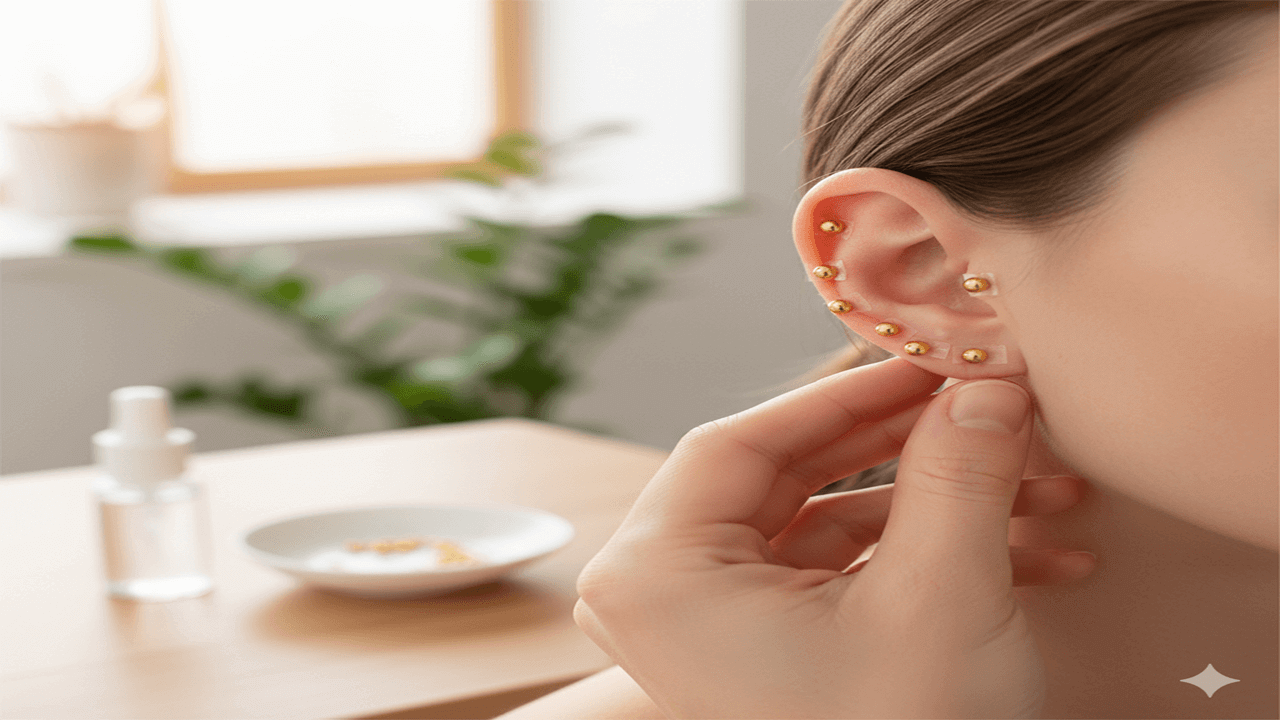
In recent years, holistic and alternative therapies have gained immense popularity for their potential to support overall wellness. Among these, ear seeding—a simple, non-invasive therapy rooted in Traditional Chinese Medicine (TCM)—is increasingly being embraced worldwide. Ear seeding is a form of auriculotherapy, which stimulates specific points on the ear believed to correspond to different organs and body systems.
But what exactly is ear seeding? How does it work? And is it worth the cost? In this article, we’ll cover the meaning of ear seeding, its potential benefits, the procedure, and associated costs so you can make an informed decision.
What is Ear Seeding?
Ear seeding is a therapeutic practice in which tiny seeds, beads, or pellets are placed on specific acupressure points of the outer ear using adhesive tape. These seeds apply continuous, gentle pressure to stimulate energy flow, balance the body, and address a variety of physical and emotional concerns.
The practice originates from Traditional Chinese Medicine (TCM), where the ear is seen as a microsystem of the entire body—much like reflexology for the feet. By stimulating certain points on the ear, practitioners believe they can influence corresponding areas of the body to promote healing and restore balance.
Today, instead of natural seeds (traditionally from the Vaccaria plant), practitioners often use small metal or ceramic beads for hygiene and durability.
How Does Ear Seeding Work?
Ear seeding is based on the principles of acupressure and auriculotherapy. The idea is that the ear contains a map of acupoints that correspond to body systems, organs, and emotional states. By applying continuous pressure with seeds or beads, these points are stimulated, potentially leading to:
Enhanced energy flow (“Qi” in TCM)
Improved balance in the nervous system
Relief of pain and discomfort
Regulation of hormones and stress responses
While more research is needed, studies suggest that auriculotherapy may help with issues like anxiety, insomnia, and chronic pain. Many people also report relaxation and a sense of calm after receiving ear seeding.
Benefits of Ear Seeding
The potential benefits of ear seeding are wide-ranging. While individual results vary, here are some of the most commonly reported advantages:
1. Stress and Anxiety Relief
One of the most popular uses of ear seeding is to reduce stress and anxiety. Stimulating specific ear points may help regulate the nervous system, lower cortisol levels, and promote calmness.
2. Improved Sleep
People struggling with insomnia or irregular sleep patterns may find ear seeding helpful. Certain points on the ear are linked with relaxation and sleep regulation, making this a natural, non-invasive approach.
3. Pain Management
Ear seeding is often used as a complementary therapy for chronic pain, headaches, and even back pain. By stimulating ear points related to pain pathways, it may help reduce discomfort.
4. Support for Addiction and Cravings
Auriculotherapy has been used in addiction recovery programs, especially for smoking cessation. Ear seeding may help reduce cravings for nicotine, sugar, or even alcohol by stimulating points associated with the brain’s reward pathways.
5. Digestive Health
Certain ear points are connected to the digestive system. Stimulating these areas may support better digestion, relieve bloating, and regulate appetite.
6. Hormonal Balance and PMS Relief
Some practitioners use ear seeding to address hormonal imbalances, menstrual cramps, and symptoms of PMS or menopause.
7. General Relaxation and Wellness
Beyond targeted benefits, many people use ear seeding simply to relax and improve overall well-being. The process is calming, quick, and non-invasive, making it accessible to almost everyone.
The Ear Seeding Procedure
If you’re considering ear seeding, here’s what typically happens during a session:
1. Consultation
A practitioner—usually an acupuncturist or trained therapist—will ask about your health concerns, lifestyle, and wellness goals. This helps them determine which ear points to target.
2. Cleaning the Ear
The outer ear is cleaned with an alcohol swab to remove oils and reduce the risk of infection.
3. Placement of Seeds
Using tweezers, the practitioner places tiny seeds or beads (on adhesive patches) onto specific acupoints on the ear. Depending on your concerns, anywhere from 3 to 10 points may be targeted.
4. Gentle Pressure
You’ll be instructed to gently press or massage the seeds a few times per day to stimulate the points further.
5. Duration
The seeds typically remain on the ear for 3 to 7 days, depending on comfort and skin sensitivity. After this period, they should be removed to prevent irritation.
6. Follow-Up Sessions
Some people may benefit from regular sessions, especially for chronic conditions or ongoing wellness goals.
Does Ear Seeding Hurt?
Ear seeding is painless and non-invasive. Since no needles are used (unlike acupuncture), it’s often considered a beginner-friendly therapy. The sensation is usually mild pressure or slight tenderness when pressing the seeds, but not discomfort.
Who Can Benefit from Ear Seeding?
Ear seeding is safe for most people, including children and adults. However, it may not be suitable if you:
Have a skin condition or infection on the ear
Are allergic to adhesives or metals used in the beads
Have certain medical conditions that require professional evaluation first
Always consult a qualified practitioner before starting.
Cost of Ear Seeding
The cost of ear seeding varies depending on where you go and who performs the procedure.
Single Session with a Practitioner: Typically ranges between $30 to $75. This usually includes consultation, seed placement, and follow-up advice.
DIY Ear Seeding Kits: Available online for around $10 to $30. These kits come with adhesive seeds and placement guides for self-application.
Luxury or Specialty Clinics: In some wellness spas or holistic centers, ear seeding may be bundled with other treatments, costing $100+ per session.
While DIY kits are cheaper, visiting a professional ensures the correct points are targeted for your specific needs.
Is Ear Seeding Backed by Science?
Research on auriculotherapy, including ear seeding, is growing but still limited. Some studies suggest positive results in areas such as pain relief, anxiety reduction, and smoking cessation. However, many experts note that more large-scale, controlled studies are needed to confirm these effects.
That said, ear seeding is generally considered safe, low-risk, and worth trying as a complementary therapy—especially when used alongside conventional treatments.
Tips for Safe Ear Seeding
Always clean the ear before applying seeds.
Do not keep seeds in place for more than 7 days.
If you notice redness, swelling, or irritation, remove them immediately.
Follow practitioner guidance if you are combining ear seeding with other treatments.
If using a DIY kit, study the placement chart carefully for accuracy.
Conclusion
Ear seeding is a fascinating blend of ancient wisdom and modern wellness practice. Rooted in Traditional Chinese Medicine, it offers a gentle, non-invasive way to stimulate the body’s natural healing systems. With potential benefits like stress relief, better sleep, pain management, and support for addiction recovery, it’s no wonder ear seeding has become a popular wellness trend.
While more scientific research is needed, countless people report feeling calmer, more balanced, and healthier after trying ear seeding. And with relatively low costs—whether through professional sessions or DIY kits—it’s an accessible option for anyone curious about holistic wellness.
If you’re considering ear seeding, start with a trained practitioner for proper placement and guidance. With consistent care, this small but powerful practice may contribute to your overall well-being in significant ways.