
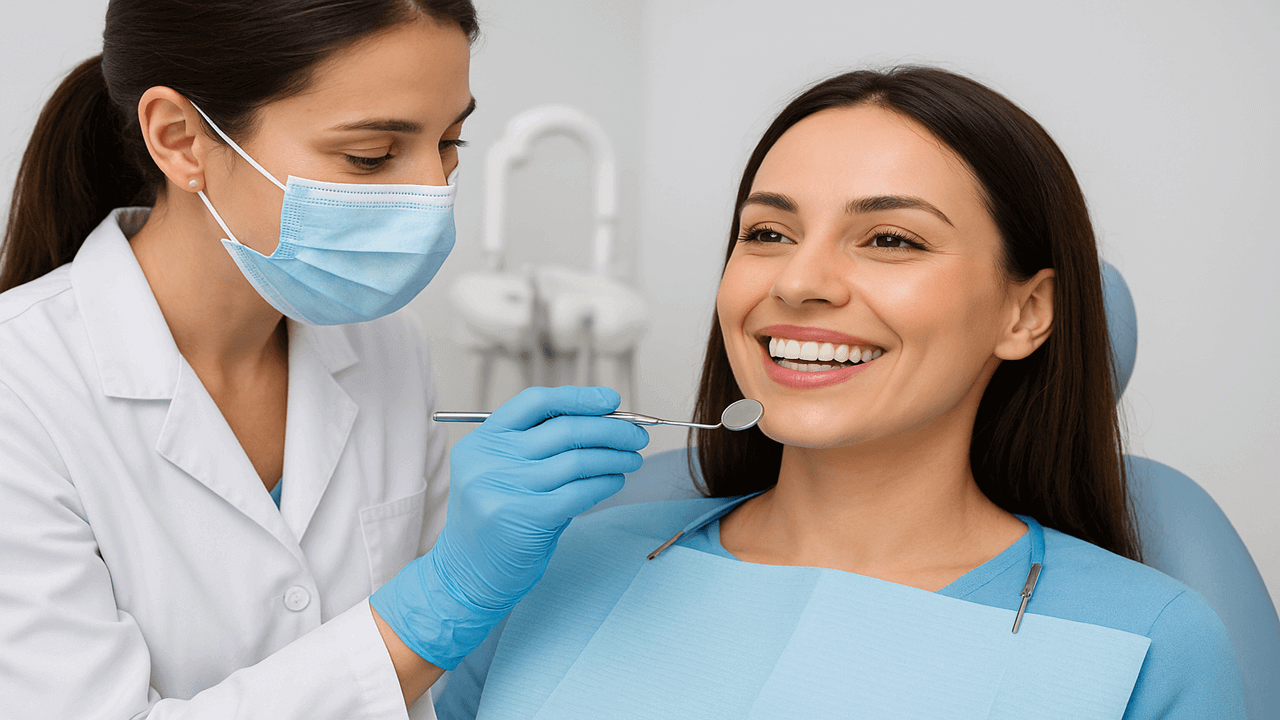
A healthy smile does more than improve your appearance — it plays a major role in your overall health and confidence. Strong teeth and healthy gums help you eat comfortably, speak clearly, and avoid painful dental problems. Yet many people only think about oral care when something goes wrong, like a toothache or bleeding gums.
The good news is that maintaining good oral health does not have to be complicated. Simple daily habits can go a long way in preventing cavities, gum disease, bad breath, and expensive dental treatments.
In this guide, we’ll cover practical oral health tips to help you keep your teeth and gums healthy for years to come.
Why Oral Health Is Important
Your mouth is connected to the rest of your body. Poor oral hygiene can contribute to several health conditions, including:
- Gum disease
- Tooth decay
- Heart disease
- Diabetes complications
- Respiratory infections
- Chronic inflammation
Healthy teeth and gums also improve confidence and quality of life. When your mouth feels healthy, you are more likely to smile, socialize, and enjoy your favorite foods without discomfort.
Taking care of your oral health is one of the easiest ways to support your overall well-being.
1. Brush Your Teeth Twice a Day
Brushing is the foundation of good oral hygiene. Dentists recommend brushing your teeth at least twice daily using fluoride toothpaste.
Brushing removes plaque, bacteria, and food particles that can lead to cavities and gum disease.
Tips for Better Brushing
- Brush for at least two minutes
- Use a soft-bristled toothbrush
- Replace your toothbrush every 3–4 months
- Brush gently to avoid damaging gums
- Don’t forget your tongue
Many people brush too quickly or miss hard-to-reach areas. Taking your time makes a big difference.
Electric toothbrushes can also help improve cleaning, especially for people with braces or limited hand mobility.
2. Floss Every Day
Even the best toothbrush cannot clean between your teeth completely. Flossing removes plaque and trapped food from areas your toothbrush cannot reach.
Skipping flossing allows bacteria to build up, increasing the risk of cavities and gum disease.
Benefits of Daily Flossing
- Helps prevent gum disease
- Reduces bad breath
- Removes hidden plaque
- Supports healthier gums
If traditional floss feels difficult, you can try floss picks or water flossers.
Consistency matters more than perfection. Daily flossing can significantly improve oral health over time.
3. Use Fluoride Toothpaste
Fluoride helps strengthen tooth enamel and protect against decay. Most dentists recommend fluoride toothpaste because it helps repair early signs of tooth damage before cavities develop.
When shopping for toothpaste, look for products approved by dental associations or specifically labeled for cavity protection.
Children should use age-appropriate fluoride toothpaste in small amounts under adult supervision.
4. Don’t Ignore Your Gums
Healthy gums are just as important as healthy teeth. Red, swollen, or bleeding gums may be early signs of gum disease.
Gum disease is extremely common, but early treatment can often reverse it before it becomes serious.
Signs of Gum Problems
- Bleeding while brushing or flossing
- Swollen gums
- Persistent bad breath
- Gum tenderness
- Receding gums
If you notice these symptoms, schedule a dental checkup instead of waiting for the problem to worsen.
5. Limit Sugary Foods and Drinks
Sugar feeds harmful bacteria in your mouth, increasing acid production that damages tooth enamel.
While occasional treats are fine, frequent sugary snacks and beverages can increase cavity risk.
Common Foods That Harm Teeth
- Soda
- Candy
- Sports drinks
- Sweetened coffee drinks
- Sticky snacks
- Energy drinks
Instead, choose healthier alternatives like:
- Water
- Cheese
- Yogurt
- Fresh fruits
- Crunchy vegetables
- Nuts
Drinking water after meals also helps wash away food particles and bacteria.
6. Stay Hydrated Throughout the Day
Water is one of the best things you can drink for your oral health.
It helps:
- Rinse away bacteria
- Reduce dry mouth
- Protect enamel
- Support saliva production
Saliva plays an important role in neutralizing acids and protecting teeth from decay.
Dry mouth can increase the risk of cavities and bad breath, so staying hydrated is essential.
Fluoridated water may provide additional cavity protection as well.
7. Avoid Tobacco Products
Smoking and tobacco use can seriously damage oral health.
Tobacco increases the risk of:
- Gum disease
- Tooth loss
- Oral cancer
- Bad breath
- Tooth staining
Smokers are also more likely to experience delayed healing after dental procedures.
Quitting tobacco products can improve both oral health and overall health significantly.
8. Visit Your Dentist Regularly
Even if your teeth feel fine, regular dental visits are still important.
Professional cleanings remove hardened plaque called tartar that brushing and flossing cannot eliminate at home.
Routine dental exams also help detect problems early, including:
- Cavities
- Gum disease
- Oral cancer
- Cracked teeth
- Bite issues
Most people should schedule dental cleanings every six months, although some may need more frequent visits.
Preventive care is usually far less expensive and less painful than treating advanced dental problems later.
9. Protect Your Teeth from Damage
Many people accidentally damage their teeth through daily habits.
Habits That Can Harm Teeth
- Chewing ice
- Opening packages with teeth
- Nail biting
- Teeth grinding
- Using teeth as tools
If you grind your teeth at night, your dentist may recommend a custom nightguard to protect your enamel and jaw.
Athletes should also wear mouthguards during sports to prevent dental injuries.
10. Eat Foods That Support Healthy Teeth
Nutrition has a direct impact on oral health.
Certain foods help strengthen enamel and support gum health naturally.
Best Foods for Healthy Teeth and Gums
Dairy Products
Milk, cheese, and yogurt provide calcium and phosphorus that strengthen teeth.
Crunchy Fruits and Vegetables
Apples, carrots, and celery help stimulate saliva and naturally clean teeth surfaces.
Leafy Greens
Spinach and kale contain important vitamins and minerals that support gum health.
Lean Proteins
Fish, eggs, and poultry provide phosphorus and vitamin D.
Nuts and Seeds
Almonds and sesame seeds contain minerals that support strong teeth.
A balanced diet helps protect your smile from the inside out.
11. Teach Kids Healthy Oral Habits Early
Good oral hygiene starts in childhood. Teaching kids healthy habits early can reduce dental problems later in life.
Parents should encourage:
- Brushing twice daily
- Flossing regularly
- Healthy snacking
- Drinking water
- Routine dental visits
Making oral care fun can help children develop lifelong habits.
12. Pay Attention to Changes in Your Mouth
Your mouth often provides warning signs when something is wrong.
Do not ignore symptoms like:
- Persistent tooth pain
- Mouth sores
- Sensitivity
- Loose teeth
- Jaw pain
- White or red patches
Early diagnosis often leads to easier and more effective treatment.
Common Oral Health Mistakes to Avoid
Many people unintentionally damage their teeth with small daily mistakes.
Avoid These Common Habits
- Brushing too hard
- Skipping flossing
- Using old toothbrushes
- Frequent snacking
- Ignoring dental pain
- Drinking sugary beverages all day
- Avoiding dental visits
Small changes in daily routines can make a huge difference over time.
Final Thoughts
Keeping your teeth and gums healthy does not require complicated routines or expensive products. The key is consistency.
Brushing, flossing, eating a balanced diet, staying hydrated, and visiting your dentist regularly can help protect your smile for years to come.
Healthy oral habits not only prevent cavities and gum disease but also support overall health, confidence, and quality of life.
A healthier smile starts with the small choices you make every day. By taking care of your mouth now, you can enjoy stronger teeth, healthier gums, and fewer dental problems in the future.


